
Short Answer: No, It's Not the Same Door
If you're arguing about whether the overhead door on a backyard workshop, detached garage, or small storage building is basically just a big version of your home's garage door, here's the answer that settles it: no. They look similar from the driveway, but the steel, the springs, the number of times they're expected to open and close, and the maintenance they need are all different. Treating a commercial-grade door like an oversized residential door — or vice versa — is how people end up with premature spring failure, sagging panels, or a door that can't handle the wind it's rated for.
What Actually Changes Between the Two
Steel gauge and panel construction
Residential doors are usually built from lighter-gauge steel or aluminum, sometimes with a layer of insulation sandwiched in the middle for comfort and noise control. Commercial and warehouse doors use heavier gauge steel, thicker reinforcing struts, and sometimes a flush or ribbed design meant to take repeated impact from forklifts, pallets, or delivery traffic brushing past. The extra steel adds weight, which changes everything downstream — springs, tracks, and the opener all have to be sized for it.
Spring systems built for volume
A home garage door typically opens once or twice a day. A door on a small commercial building, a working shop, or a barn used for equipment storage might open dozens of times in a single day. Commercial doors use high-cycle torsion springs rated for tens of thousands of cycles, not the standard-cycle springs found on most residential doors. Put a residential spring on a door that opens 30 times a day and you'll be replacing it in months, not years.
Wind load and weather sealing
This part matters a lot here, because Alachua County and the surrounding area deal with real hurricane-season wind loads. Both residential and commercial doors sold for this region need to meet wind-load ratings, but commercial doors often span wider openings — which means more bracing, different track reinforcement, and sometimes a different anchoring approach to keep a large door from flexing or buckling in a storm. Afternoon downpours and humidity swings also mean commercial doors protecting inventory, equipment, or feed need tighter weather seals at the bottom and sides than a typical home garage, where a little moisture getting in isn't going to ruin anything valuable.
Opener horsepower and controls
Heavier doors need stronger openers — commercial units are rated for higher horsepower and often include safety features like photo-eye sensors, access controls, or keypads built for employee or customer traffic rather than a single household. A residential opener bolted onto a commercial-weight door is a common shortcut that burns out the motor fast.
Why the Maintenance Schedule Isn't the Same Either
Because a commercial or high-use overhead door works harder, it needs to be checked more often, not just when something sounds wrong:
- More frequent lubrication — hinges, rollers, and tracks on a high-cycle door dry out faster and need attention more than once or twice a year.
- Spring inspection on a shorter interval — high-cycle springs still wear out, just on a different timeline, and a snapped spring on a heavier door is more dangerous than on a lightweight residential one.
- Track and bracket checks — repeated heavy use loosens hardware faster, especially on doors handling frequent impact or vibration.
- Weatherstripping replacement — humidity and repeated storm exposure break down seals, and a gap at the bottom of a commercial door can mean real water or pest intrusion into stored goods.
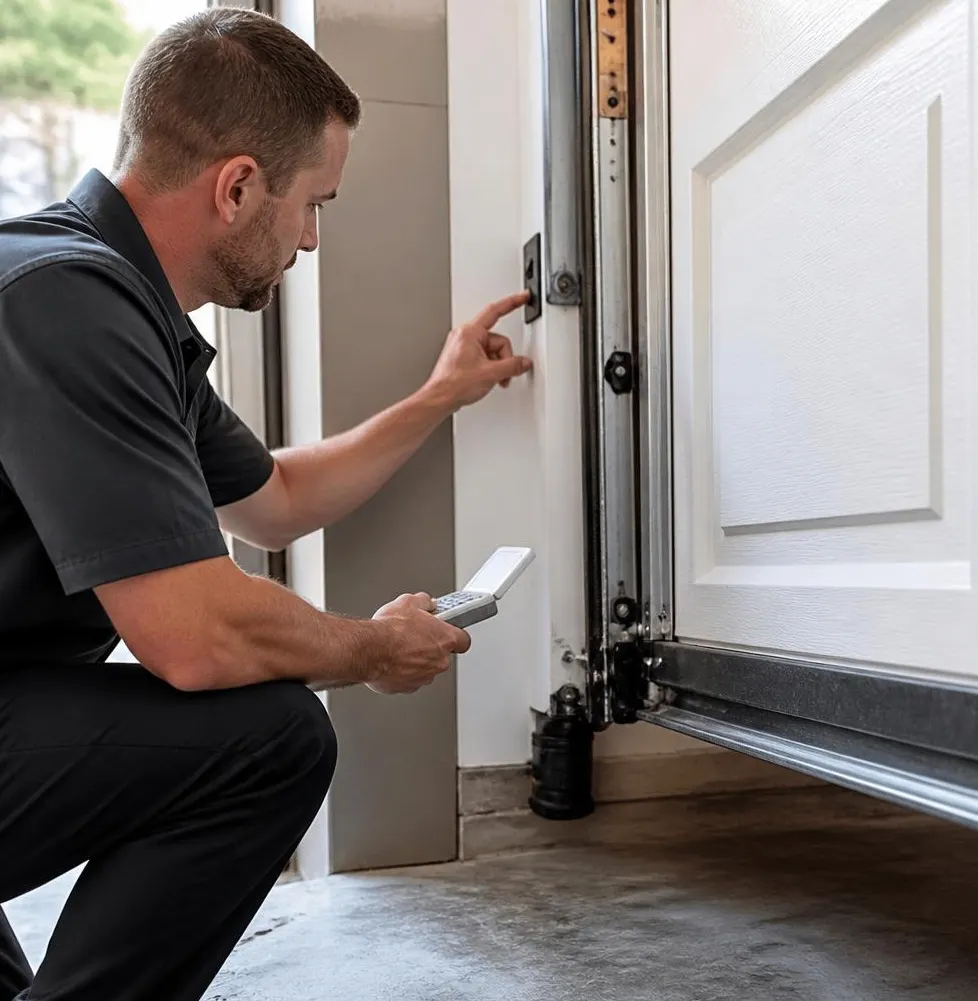
- Sensor and opener testing — commercial openers with safety sensors need periodic testing, especially if the building sees foot traffic or vehicle movement near the door.
None of this is exotic — it's the same categories of maintenance a home garage door needs, just on a tighter interval because the door is working harder and the stakes of a failure are higher.
When This Argument Actually Comes Up
This debate usually isn't abstract — it shows up when someone's putting an overhead door on a detached workshop, a pole barn, a small storage building, or a home-based business setup with regular deliveries. The instinct to save money by installing (or maintaining) a residential door on a building that functions more like a small commercial space is understandable, but it's also where people run into trouble: the door looks fine for a year or two, then starts failing under use it wasn't built for.
When to Call Gainesville Door & Opener
If you're not sure whether what you have — or what you're about to install — is rated for the job, that's exactly what we sort out. Our Commercial Garage Door Service covers everything from correctly specifying a door for a workshop or small warehouse to repairing heavier-duty springs and openers already in place. And if you just want peace of mind that a hard-working door is holding up, our Preventive Maintenance visits catch worn springs, loose hardware, and failing seals before they turn into a Saturday-afternoon emergency.
Whether you're in Gainesville, Alachua, Newberry, High Springs, or anywhere nearby, give Gainesville Door & Opener a call — we'll tell you straight whether your door is doing the job it was built for, and fix it if it isn't.